
- Home
- /
- Peru
- /
- Destinations
- /
- Visit Peru Amazon Rainforest
Exploring the Lungs of the Earth: A Guide to Visit Amazon Rainforest
Are you ready to delve into the splendor of the Amazon Rainforest? This guide cuts through the jungle of information to give you actionable travel insights to visit Amazon Rainforest. Understand the best seasons for wildlife sightings, the packing essentials for the tropics, and necessary health precautions. Alongside, get a glimpse of the unique biodiversity, cultural richness, and conservation issues you’ll encounter. Start your journey to the Amazon here, equipped with the know-how for an unforgettable expedition.
Key Takeaways
- Preparation is crucial for an Amazon Rainforest adventure: choosing the right season, packing strategically while considering health and safety precautions, and getting relevant vaccinations are essential steps for a safe and enjoyable trip.
- The Amazon Rainforest boasts a rich biodiversity: home to an estimated 10 percent of known plant and animal species, visitors can encounter exotic wildlife and explore a diverse range of plant life, all of which have adapted uniquely to the challenging environment.
- Sustainable tourism can contribute positively to the Amazon Rainforest’s conservation efforts, with eco-friendly travel choices supporting the fight against deforestation and aiding in the preservation of the region’s unique ecosystems and biodiversity.
Embarking on an Amazon Adventure: Essential Travel Tips
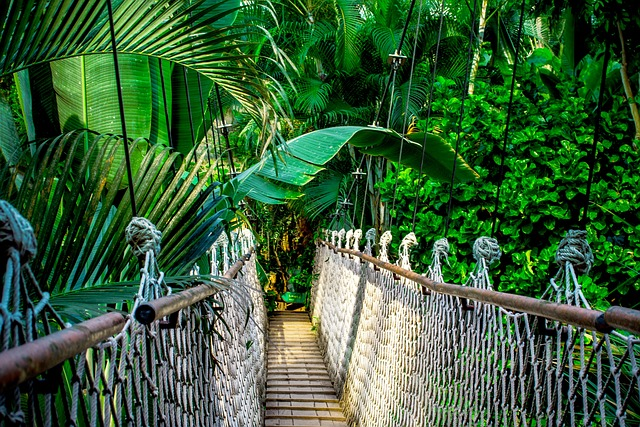
When it comes to planning your trip to the Amazon Rainforest, preparation is key. The Amazon region, spanning from the Brazilian Amazon to the Peruvian Amazon, offers distinct experiences throughout the year, each with its unique charm. Whether you are cruising the Amazon River or hiking the jungle trails, each season presents unique wildlife observation opportunities, from spotting wild animals in the Brazilian Amazon to witnessing the unique flora of the Peruvian Amazon.
Yet, the adventure doesn’t end with season selection. Packing for the Amazon requires careful consideration. Moreover, your health and safety should never be compromised. So, let’s dive into the essential travel tips you need for your Amazon adventure!
Choosing the Optimal Season
Navigating through the Amazon’s seasonal changes is a journey in itself, each with its unique charm and challenges. Understanding the regional climate variations is the first step in your Amazon adventure.
The dry season, from July to December, is ideal for explorers. With lower water levels exposing hiking trails, forest walks become more accessible, a perfect setting for the adventurous souls.
On the other hand, the rainy season, approximately from mid-December to mid-May, offers a different kind of spectacle. Navigating the rainforest by boat becomes possible, and animals are easily spotted as they gather near water sources.
Ultimately, choosing the optimal season for visiting the Amazon depends on your preferences for activities such as hiking and boating, as well as your interest in wildlife spotting.
Packing Essentials for the Jungle
When packing for the Amazon Rainforest, think practical and think light. As the adage goes, ‘It’s better to have it and not need it, than to need it and not have it.’ Essential items such as insect repellent with DEET and sunblock with high SPF are must-haves to protect against mosquitos and the strong tropical sun.
Clothing should be light, fast-drying, and can be layered for the warm days and cooler evenings. A light water-resistant jacket or a cheap rain poncho is also a good addition for sudden rain showers. And don’t forget your sturdy backpack or duffel bag, comfortable walking shoes or hiking boots, sandals for wet conditions, and a daypack for daily movement and excursions. Remember, you’re in the wild; it’s about comfort, not style.
Health and Safety Precautions
Your health and safety should always be a priority when traveling, and the Amazon is no exception. Preventive measures can go a long way in ensuring a safe and enjoyable trip.
One of the key precautions is to get vaccinated against yellow fever at least 10 days before departure if you’re traveling to certain rural areas in Brazil, including the Amazon. Additionally, taking malaria prophylaxis is recommended for individuals traveling to the Amazon Rainforest, with the medication regimen usually starting a few weeks before the trip.
To mitigate the risk of dengue fever in the Amazon, consider wearing long-sleeved clothing and applying 100% DEET mosquito repellent. With these precautions, you’re well on your way to a secure adventure in the Amazon.
Discovering the Rich Biodiversity: Flora and Fauna Highlights

Now that you’re ready for the journey let’s take a deep dive into the heart of the Amazon Rainforest’s rich biodiversity. Imagine a place where every twist and turn introduces you to a new plant or animal species, a place bursting with life, a place like no other on Earth. Welcome to the Amazon Rainforest, one of the most biodiverse places on the planet, home to an estimated 10 percent of all known plant and animal species on Earth.
From the biodiversity hotspots like Yasuní National Park in Ecuador and Pacaya-Samiria National Reserve in Peru to the ongoing discovery of new species, the Amazon Rainforest is a living, breathing testament to the wonders of nature. Amazon river cruises offer unique opportunities to observe this abundant biodiversity, with intimate experiences alongside diverse plant and wildlife.
Encountering Exotic Wildlife
Imagine yourself gliding through the Amazon river, surrounded by the lush greenery, the air filled with an orchestra of animal sounds. In the Amazon, every moment is a chance for an exciting wildlife encounter, a world away from the vast expanse of the Atlantic Ocean.
During the rainy season, the Amazon’s plentiful flowering and fruiting plants provide abundant feeding opportunities for a diverse range of wildlife, such as various pollinators, birds, and primates. The dry season brings its own spectacle as lower water levels reveal sandy beaches, leading to concentrated wildlife activity such as beach nesting birds and the mating and egg-laying of crocodilians. The season’s end, with its low water levels, prompts millions of migratory fish to spawn in the shallows, drawing a variety of fishing birds and marine mammals to these areas.
Whether it’s spotting a jaguar on the river bank or hearing the call of a toucan, experiencing the Amazon’s wildlife is an encounter of a lifetime.
The Green Kingdom: Plants and Trees
While the animal kingdom often steals the spotlight, the green kingdom of the Amazon Rainforest is equally fascinating. The Amazon forest is a living laboratory, home to an array of plant species that have developed unique survival strategies to thrive in this challenging environment, including some endangered species.
Amazonian plants, for instance, have developed complex defense mechanisms against herbivorous insects, including the evolution of tough leaves, protective resins, latex coatings, and poisonous compounds to deter predators. The Brazil-nut tree, a prominent species in the Amazon rainforest, is known for its significant height and lack of buttresses. It produces nuts that are both nutritious and high in fat, playing an important role in the diet of local communities.
Every leaf, every flower, every tree in the Amazon Rainforest tells a story of adaptation and survival.
Cultural Immersion with Indigenous Peoples
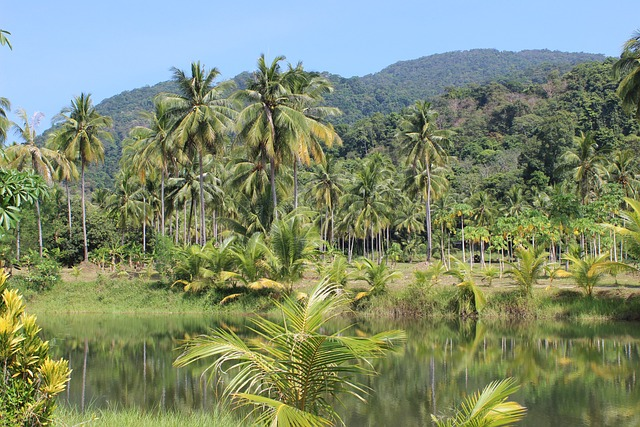
The Amazon Rainforest is not just about flora and fauna. It’s also about the people who have called this place home for thousands of years. Indigenous tribes in the Amazon:
- Integrate traditional practices with modern elements
- Participate in tourism and engage in market activities
- Have established their own systems of governance
- Hold extensive traditional knowledge
- Speak over 300 languages.
Amazon boat tours, operated by a reputable tour company, offer different experiences, from wildlife observation to interaction with local communities, allowing visitors to immerse themselves in indigenous cultures. It’s a chance to step into a different world, a world where humans and nature coexist in harmony.
Living Traditions of the Amazon Basin
Indigenous traditions are the heartbeat of the Amazon Basin. Despite the changing times, these communities have managed to preserve their languages, practices, and knowledge. Around 300 indigenous languages are spoken throughout the Amazon, reflecting the region’s vast cultural diversity.
Shamans play a crucial role in Amazonian indigenous groups as custodians of traditional knowledge of flora and fauna and as liaisons with the spiritual world. A visit to the Amazon is not just a journey through a forest; it’s also a journey through cultures, traditions, and ways of life that have flourished for millennia.
The Role of Indigenous Knowledge
Indigenous knowledge offers a unique perspective on how to live and thrive in the Amazon Rainforest. This knowledge, passed down through generations, is rooted in a deep respect for nature and a profound understanding of the delicate balance of the ecosystem and its natural resources.
Indigenous shamans’ utilization of plants with hallucinogenic properties is deeply tied to gaining spiritual insight and healing knowledge, showcasing a unique understanding of the ecosystem. The spiritual connection with nature, as stressed by Yawanawá leaders from the Brazilian-Peruvian border, underpins their sustainable practices and relationship with the ecosystem. At the World Economic Forum, Amazon indigenous leaders advocated for the vital importance of integrating their time-tested sustainable knowledge into wider development strategies.
Indeed, the Indigenous Peoples of the Amazon actively urge global leaders to adopt their ancestral practices, which include sustainable harvesting and biodiversity through product diversification.
Navigating the Mighty Amazon River
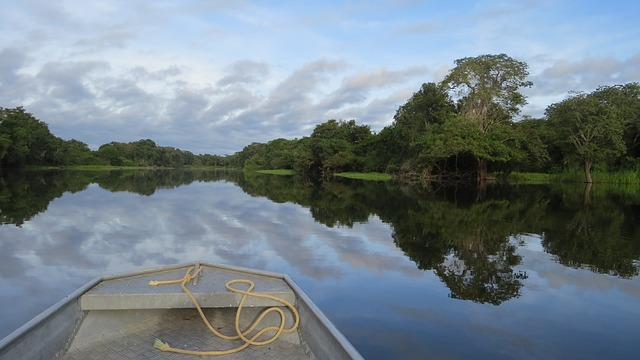
The Amazon River is the lifeblood of the Amazon Rainforest. It snakes its way through nine countries, providing a lifeline for the flora, fauna, and communities that call the Amazon basin home. The river itself offers a range of experiences, from small, private vessels to larger riverboats, providing options for both personalized adventures and more social, communal experiences aboard.
Riverboat tours often include stops at various points of interest, such as natural sites, indigenous communities, and areas known for spotting wildlife. For those seeking a more in-depth river experience, specialized tours that traverse smaller tributaries and offer more intimate encounters with the rainforest are available. Indeed, the Amazon River is more than just a waterway; it’s a highway into the heart of the Amazon’s most biodiverse places.
Choosing Your Waterway Experience
Choosing the right waterway experience is an essential part of your Amazon adventure, whether you’re a solo traveler or traveling with a group. The Amazon offers diverse waterway experiences including guided boat tours that engage travelers with the forest’s natural beauty and wildlife.
Visitors can choose from luxury river tours with comfort and onboard amenities, to rustic excursions aboard traditional riverboats, providing a range of experiences to suit different preferences. Small-group excursions by boat are recommended to minimize human disturbance and enhance wildlife viewing opportunities in the Amazon’s wild habitats. Among the various waterways to explore, the Rio Negro is particularly known for its dark waters caused by the decomposition of organic matter and its unique ecosystems.
Visiting Manaus: The Heart of the Amazon
Manaus, known as the gateway to the Amazon, is worth a visit. This bustling city, the largest in the Amazon region, presents a mix of urban life and rainforest proximity, making it an essential stop for Amazon explorers for both preparation and cultural immersion.
Manaus offers a plethora of attractions, from the famed Teatro Amazonas opera house, cultural museums, to bustling markets that provide a comprehensive cultural encounter within the Amazon region. Visitors to Manaus can also engage with the city’s unique culinary scene, which is deeply influenced by the biodiversity of the Amazon, offering tastes that are as diverse and vibrant as the rainforest itself.
Conservation Efforts and How You Can Help
While the Amazon Rainforest is a place of immense beauty and biodiversity, it is also a place under threat. The forest’s vegetation plays a critical role in regulating the global climate by absorbing and storing carbon dioxide, while fires resulting from deforestation exacerbate the release of CO2, accelerating climate change. As the climate crisis intensifies, indigenous leaders from the Amazon contribute to global discussions on climate change and advocate for economic solutions that align with the preservation of nature, alongside policies to reduce deforestation.
But it’s not all doom and gloom. Conservation groups are employing advanced science and technology in a boots-on-the-ground approach to protect the Amazon from further damage. Moreover, individuals can aid the preservation of the Amazon by reducing wood and paper consumption and lowering beef intake to diminish demand for destructive logging and cattle ranching.
The Battle Against Deforestation
Deforestation is the Amazon Rainforest’s biggest threat. Cattle ranching is the leading cause of deforestation in the Amazon, followed by both infrastructure development and small-scale agricultural practices. The international demand for cattle products drives the expansion of cattle ranching, which is the single biggest contributor to Amazon deforestation.
Construction of roads and hydroelectric dams opens up previously remote areas of the rainforest, leading to increased deforestation and habitat fragmentation due to illegal logging. However, efforts are underway to counteract deforestation, including:
- Holding environmental-impact accountable parties such as timber and financial firms
- Implementing government policy changes
- Supporting eco-friendly tourism.
Supporting Sustainable Tourism
Sustainable tourism is a powerful tool in the fight against deforestation. Tourists can greatly contribute to the sustainability of the Amazon Rainforest by choosing eco-friendly travel options. Selecting accommodations and services that prioritize sustainability can aid in protecting the unique ecosystems of the Amazon.
Eco-conscious travel choices, including the use of mass transportation and patronizing local businesses, are essential steps in supporting the Amazon’s environmental health. By choosing to travel responsibly, you not only get to enjoy the wonders of the Amazon, but you also help preserve it for future generations.
Planning Your Itinerary: Must-See Destinations

The Amazon Rainforest is vast and diverse, and planning your itinerary can be both exciting and challenging. From the Brazilian Amazon, host to river cruises, luxury jungle lodges, and historical towns that hark back to the rubber boom era, to the Peruvian Amazon with its unique ecosystems, the choices are endless.
Whether you’re interested in a cross-country journey from Brazil to Peru or exploring off-the-beaten-path locations, the Amazon has something for everyone. So, let’s delve into some must-see destinations for your Amazon adventure.
From Brazil to Peru: A Cross-Country Journey
A cross-country journey from Brazil to Peru offers a unique opportunity to experience the vastness and diversity of the Amazon Rainforest in South America. About 60 percent of the Amazon Basin is located within Brazilian borders, encompassing a large part of the country’s territory and offering a unique and expansive experience of the Amazon rainforest.
Continuing to Ecuador, Yasuní National Park is a prominent destination for experiencing the Amazon’s biodiversity. Here, visitors have the opportunity to observe exotic wildlife such as:
- Kapok trees
- Tarantulas
- Toucans
- Spider monkeys
- Jaguars
Remote Wonders: Off-the-Beaten-Path Exploration
For those seeking a more authentic Amazon experience, venturing off the beaten path can lead to some truly breathtaking discoveries. Yasuní National Park is a remote location where travelers can experience the convergence of three distinct ecological systems: the Andes, the Amazon basin, and the equatorial region.
Within the depths of the Brazilian rainforest lies the Cachoeira de Iracema Waterfall and the Land of Waterfalls, offering a secluded ecological adventure through waterfalls, pools, and sandstone caves. Gocta Waterfalls, tucked away in the Chachapoyas region of the upper Amazon basin, presents visitors with the opportunity to explore one of the world’s tallest waterfalls either by hiking or on horseback.
The Pantanal extends as a significant wetland in Brazil, renowned for its biodiversity that stands on par with the Amazon, offering travelers an alternative region to explore.
Summary
The Amazon Rainforest is a world like no other, a place where every leaf has a story, every animal plays a role, and every river leads to a new adventure. It’s a place where humans and nature coexist, a place that teaches us the value of biodiversity, conservation, and sustainable living. As you embark on your Amazon adventure, remember that you’re not just a visitor but also a guardian of this precious ecosystem. So, pack your bags, embrace the unknown, and step into a world where the magic of nature unfolds at every turn.
Frequently Asked Questions
Which part of Peruvian Amazon is best?
Iquitos in the north and Puerto Maldonado in the south are the two best regions to experience the Peruvian Amazon Rainforest. Choose the one that best fits your travel plans.
How much does it cost to go to the Amazon rainforest?
The cost of a trip to the Amazon rainforest varies depending on the tour package and amenities chosen. It’s best to research different tour options to find the one that fits your budget and preferences.
Is it safe to explore the Amazon rainforest?
Yes, it is safe to explore the Amazon rainforest, but it’s important to be aware of potential risks such as mosquito-borne diseases like malaria and yellow fever. Be sure to take necessary precautions.
Can you go into the Amazon rainforest?
Yes, it is possible to visit the Amazon rainforest, but it’s essential to follow regulations and consider ethical touring options, such as going with a well-trained guide or on a guided tour.
When is the best time to visit the Amazon Rainforest?
The best time to visit the Amazon Rainforest depends on your personal preferences. The dry season (July to December) is ideal for hiking, while the rainy season (mid-December to mid-May) offers unique experiences such as navigating the rainforest by boat.