
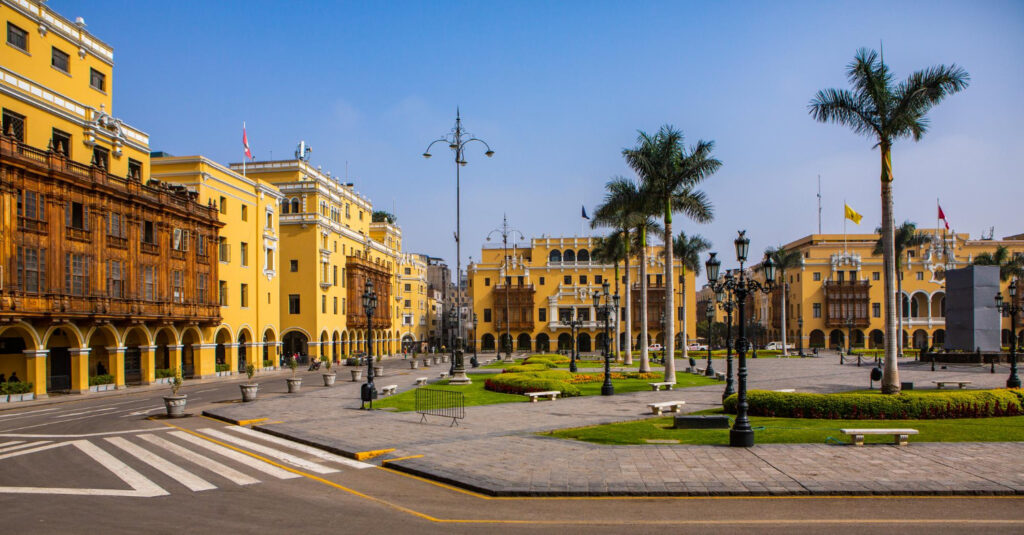
Discovering the Inca Empire’s Heart: Cusco and Sacred Valley
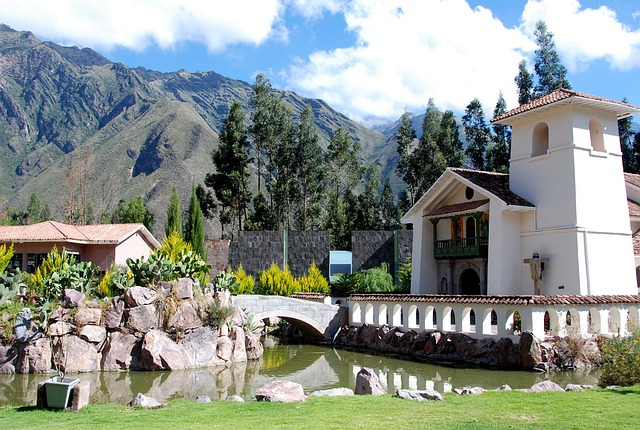
The heartbeat of the Incan Empire reverberates in the highlands of Peru. Cusco, the ancient capital, and the nearby Sacred Valley, form the vibrant core of this lost civilization. Your journey into the roots of Peru’s rich history begins here, where ancient ruins coexist with vibrant local traditions.
Venturing into the Sacred Valley, you’ll come across extraordinary archaeological sites such as the Pisac Ruins and the fortress ruins of Ollantaytambo. But it’s not all about the past; the vibrant Andean culture thrives in local markets and annual festivals, offering a unique blend of history and living tradition.
The Charm of Cusco’s Plaza de Armas
At the heart of Cusco lies the Plaza de Armas, a vibrant space that pulsates with life and history. Here, the statue of Incan Emperor Pachacutec stands tall, a testament to the city’s rich heritage. Surrounding the plaza are the Cusco Cathedral and other impressive structures that reflect the city’s grandeur and its colonial past.
Whether you’re a history buff or a lover of beautiful cityscapes, Cusco’s Plaza de Armas is a place that will leave you enchanted.
Unveiling the Secrets of Sacred Valley
Venturing deeper into the Sacred Valley, the secrets of Incan architecture and culture unfold. Here are some of the historical gems you can explore:
- The fortress ruins at Ollantaytambo offer a glimpse into the ingenuity of Incan engineering.
- Pisac’s advanced agricultural terraces and astronomical observatory bear testament to the civilization’s scientific prowess.
- And the best part? These historical gems are the prelude to the iconic Machu Picchu.
Journey to the Iconic Machu Picchu
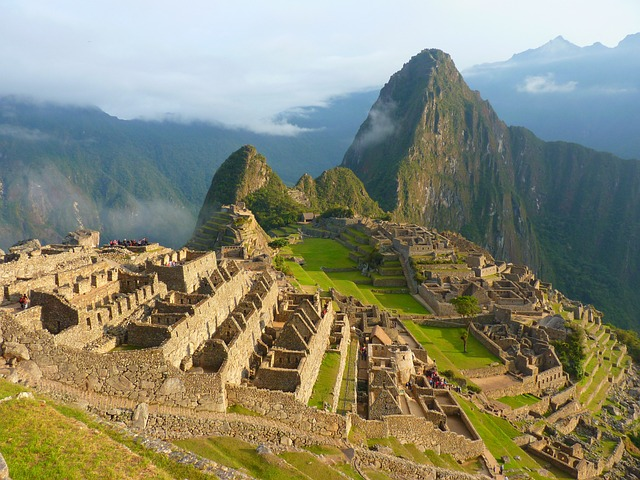
Perched high in the Andes, above the Urubamba River valley, lies the iconic Machu Picchu. This UNESCO World Heritage Site, known for its remarkable preservation, is a testament to the architectural mastery of the ancient Incas. Whether you’re an ardent history enthusiast or an adventure lover, a trip to this ancient Incan city should be at the top of your must-visit list when visiting Peru.
The best time to explore Machu Picchu is between May and September, during the dry season. Starting your day with a bus ride from Aguas Calientes, you can witness the unforgettable sunrise over Machu Picchu from the Sun Gate. It’s a sight that’s sure to leave you in awe of the beauty and grandeur of this ancient city.
Ascend Via the Inca Trail
For the adventure seekers, the Inca Trail offers a chance to combine history with outdoor excitement. This world-renowned hike winds through diverse Andean landscapes, cloud forests, and captivating Incan ruins, promising an experience of a lifetime.
The one-day Inca Trail, starting from the Urubamba River Valley, takes you through numerous Incan ruins before reaching Machu Picchu. Just remember to book your tickets in advance to ensure availability.
Alternative Routes to the Lost City
For those seeking a less-traveled path, alternative treks such as the Salkantay and Lares routes offer unique experiences. The Salkantay Trek takes you through the Andes’ wild landscapes, culminating in the town of Aguas Calientes, the gateway to Machu Picchu.
The Lares Trek, on the other hand, takes you through local communities, giving you a taste of the region’s rich cultural heritage before reaching Machu Picchu via a train from Ollantaytambo.
Embrace Nature at Rainbow Mountain
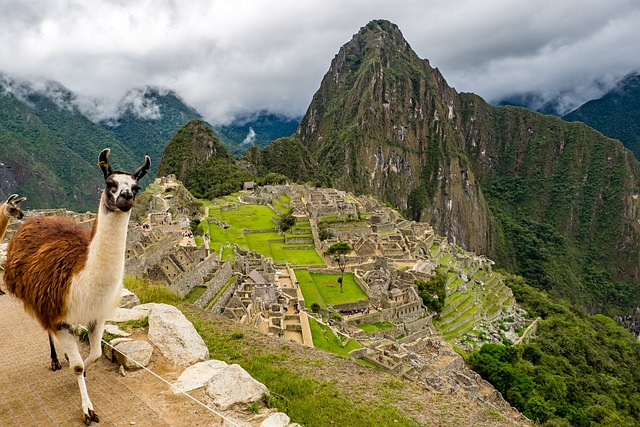
Beyond the Inca ruins, Peru beckons with its natural wonders. One such marvel is the Rainbow Mountain. Officially known as Vinicunca, this mountain is celebrated for its vibrant stripes of mineral deposits that captivate adventure seekers, hikers, and photography enthusiasts alike. If you’re looking for an unforgettable experience, it’s time to visit Peru.
The best time to visit is during:
- April
- May
- September
- October
These months offer favorable weather and fewer tourist crowds.
A hike to this mountain, located just a 2-hour drive from Cusco, promises a unique blend of adventure and natural beauty.
The Amazon Rainforest Experience
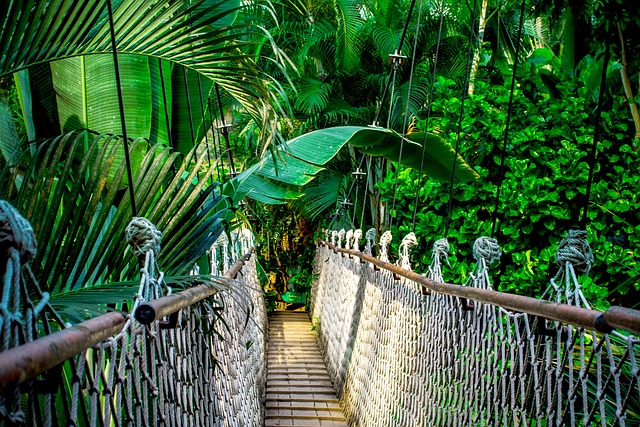
From the snow-capped Andes, we descend into the lush landscapes of the Amazon Rainforest. As the largest rainforest in the world, the Peruvian Amazon boasts high biodiversity, offering sightings of monkeys, macaws, caimans, and various jungle insects. Amazon Rainforest lodges like Posada Amazonas offer close-to-nature rooms, eco-friendly practices, and educational talks from conservation scientists, making your stay both comfortable and enlightening.
In the Amazon, you can take boat tours down the Amazon River, engage in guided adventures, and learn from indigenous communities about their traditional ways of life. The travel to the Amazon is accessible via gateway cities such as Iquitos or Puerto Maldonado, and the best time for wildlife spotting is between May and August. Remember to pack lightweight clothing and sufficient insect repellent to keep those pesky mosquitoes at bay.
Encounter Wildlife in Manu National Park
In the heart of the Amazon lies Manu National Park, a haven for diverse ecosystems and a sanctuary for wildlife. Here, you’ll have the opportunity to:
- Spot exotic animals, including jaguars, giant otters, and numerous bird species
- Engage in bird watching during hikes
- Spot macaws in their natural habitat
A visit to Manu National Park promises an intimate encounter with the Amazon’s vibrant wildlife.
Adventures in Tambopata Reserve
For a different Amazon experience, head over to Tambopata Reserve. Here, you’ll find eco-friendly accommodations that provide scenic views of the rainforest right from your room. The reserve offers various guided jungle treks, where you can marvel at the rich wildlife, such as a variety of monkeys and macaws.
Tambopata Reserve is a must-visit for wildlife enthusiasts seeking an immersive Amazon experience.
Adventure Awaits in Colca Canyon
From the lush Amazon, we head over to the dramatic landscapes of Colca Canyon. As one of the world’s deepest canyons, Colca Canyon is a haven for adventurers, offering:
- breathtaking views
- the unique opportunity to witness the majestic flight of Andean condors
- thermal baths like those at Colca Lodge Spa & Hot Springs, offering relaxation with a view and reputed healing benefits.
Whether you’re a birdwatcher, a thrill-seeker, or a lover of natural beauty, Colca Canyon has something in store for you. From bird watching to hiking and white water rafting, the canyon offers a wide range of activities that will satisfy your craving for adventure.
Soar with Condors at Cruz del Condor Viewpoint
No visit to Colca Canyon would be complete without witnessing the flight of the Andean condors at the Cruz del Condor viewpoint. This viewpoint offers a spectacular sight of these magnificent birds in flight, set against the backdrop of the breathtaking Colca Canyon.
To make the most of this boat tour experience, arrive early and watch as these majestic creatures ride the thermal currents.
Nautical Wonders of Lake Titicaca
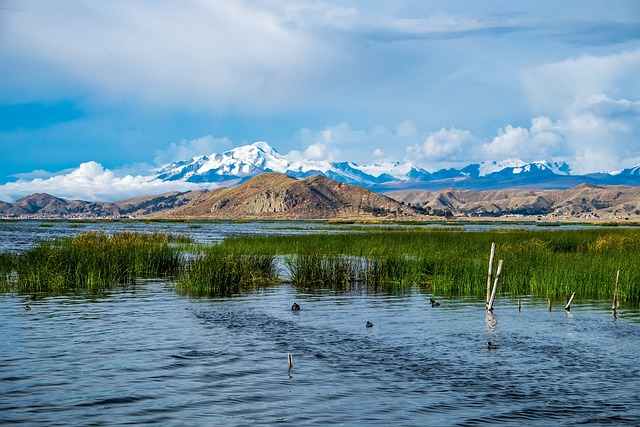
From the heights of Colca Canyon, we move to the shores of Lake Titicaca, the highest navigable lake in the world. Here, you can visit the Uros Floating Islands, known for their rich indigenous culture.
Whether you’re a cultural enthusiast or a nature lover, the unique experiences around Lake Titicaca will leave you with lasting memories.
The Enigma of Nazca Lines
Peru’s wonders aren’t just confined to its mountains, forests, and lakes. The Nazca Lines, located in southern Peru, are a testament to the country’s rich cultural history. These pre-Columbian geoglyphs, best viewed from the sky, are a mystery that continues to captivate historians, archaeologists, and adventurers alike.
So why not take to the skies and unravel the enigma of the Nazca Lines on your Peruvian adventure?
Coastal Retreat at Paracas National Reserve
After exploring the desert landscapes of Nazca, a coastal retreat awaits at the Paracas National Reserve. Home to diverse marine wildlife, such as sea lions and penguins, the reserve offers a unique spectacle for nature lovers and birdwatchers.
Whether you prefer guided tours or independent exploration, the Paracas National Reserve promises a memorable adventure along the southern coast.
Bask in the Oasis of Huacachina
For a change of pace, let’s head to the desert oasis of Huacachina. Nestled amidst towering sand dunes, Huacachina offers a unique blend of adventure and relaxation.
From exhilarating dune buggy rides to thrilling sandboarding sessions, Huacachina promises a day of fun and adventure in the desert.
Arequipa: The White City’s Allure
From the desert oasis, we travel to the White City of Arequipa. Known for its charming streetscapes, colonial heritage, and stunning architecture crafted from white volcanic stone, Arequipa is a must-visit destination in Peru.
Whether you’re exploring the city on guided tours or strolling through its storied streets, the allure of Arequipa is sure to captivate you.
Culinary Delights in Lima
From the architectural grandeur of Arequipa, we move to the culinary delights of Lima. Known for its bustling food scene, Lima offers everything from authentic street food to gourmet meals. A visit to the city wouldn’t be complete without trying Pisco Sour, Peru’s iconic spirit, in historic establishments such as Antigua Taberna Queirolo and the Gran Hotel Bolivar.
Wildlife Encounters at Ballestas Islands
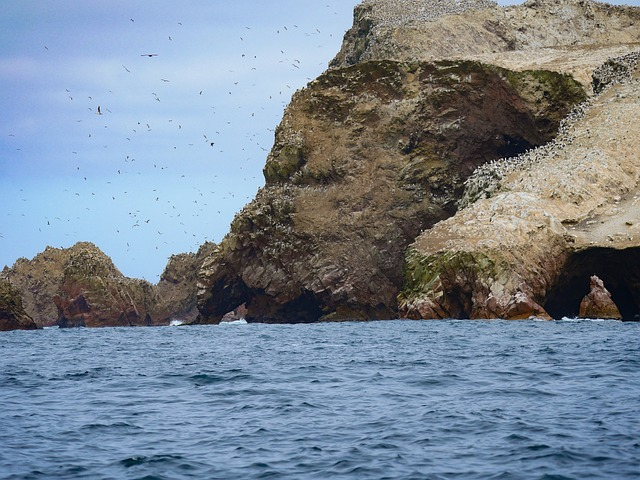
After indulging in Lima’s culinary delights, it’s time for some wildlife encounters at the Ballestas Islands. Accessible via a short boat ride from Paracas, these islands offer a glimpse into the vibrant marine ecosystem of Peru. Some of the wildlife you can expect to see include:
- Sea lions
- Humboldt penguins
- Pelicans
- Humpback whales
The Ballestas Islands promise a memorable wildlife experience amidst breathtaking landscapes.
Cycling Through the Andean Highlands
From the coastal wonders, we take to the mountains for a cycling adventure through the Andean Highlands, including the breathtaking Andes Mountains. This region offers a rich and varied cycling experience, with routes that span diverse climates and ecosystems.
Whether you’re tackling muddy roads or cruising through serene landscapes, the Andean Highlands promise a thrilling and rewarding cycling experience.
Uncovering Chan Chan’s Ancient Ruins
Our journey through Peru wouldn’t be complete without a visit to the ancient ruins of Chan Chan. As the largest pre-Columbian city in South America and the largest adobe city in the world, Chan Chan offers a window into the past civilizations that once thrived in this region.
Living Culture in Traditional Villages
From the ancient ruins of Chan Chan, we immerse ourselves in the living culture of traditional Peruvian villages. Here, you can participate in everyday activities, savor traditional cuisine, and engage with the rich cultural heritage of the Andean communities.
Peruvian Pisco Experience
After immersing ourselves in the local culture, it’s time for a taste of Peru’s iconic spirit, Pisco. A visit to the Pisco region offers an opportunity to explore vineyards, partake in tasting sessions, and delve into the production process of this beloved Peruvian drink.
A Day in the Desert: Sandboarding and Dune Buggies
From the vineyards, we head back to the desert for a day of sandboarding and dune buggy rides. The desert oasis of Huacachina offers a unique blend of adrenaline-pumping adventure and serene landscapes, making it an unforgettable stop on your Peruvian journey.
Art and History in Downtown Lima
As our journey draws to a close, we return to Lima to explore the city’s art and history. Downtown Lima, with its colonial architecture and vibrant art scene, offers a unique blend of the past and present.
Whether you’re exploring the historic center or visiting the Art Museum of Lima, the capital city offers a fitting end to your Peruvian adventure.
Summary
From the heart of the Inca Empire in Cusco and the Sacred Valley to the breathtaking landscapes of the Rainbow Mountain and the Amazon Rainforest, Peru offers an unparalleled blend of history, culture, and adventure. Whether you’re a history enthusiast, a nature lover, or an adventure seeker, Peru has something for everyone. So, when are you planning your Peruvian adventure?