
Top Trails for Trekking and Hiking in Peru: Your Essential Guide to Andean Adventures
If you’re wondering when to hit the trails in Peru, what to bring, and how to prepare for high-altitude treks, you’ve come to the right place. This guide cuts straight to the chase, offering key insights for hiking in Peru, including timing your trip, packing essentials, and acclimation strategies. You’ll find everything you need to navigate the diverse landscapes and altitudes of Peru’s most famous trails—the historic Inca Trail, the majestic Salkantay Trek, and more.
Key Takeaways
- The Inca Trail is a historic trek that provides a deep cultural and spiritual connection to the Inca civilization, offering an immersive journey through significant archeological sites, with strict visitor limits to preserve the trail.
- The Salkantay Trek is famed for its diverse landscapes and climatic zones, presenting trekkers with a distinctive natural beauty challenge that contrasts the historical focus of the Inca Trail.
- Proper preparation for high-altitude hikes in Peru is essential, including acclimatization, light eating, and avoiding alcohol to prevent altitude sickness, ensuring a memorable and safe trekking experience.
Exploring the Inca Trail: More Than Just Machu Picchu
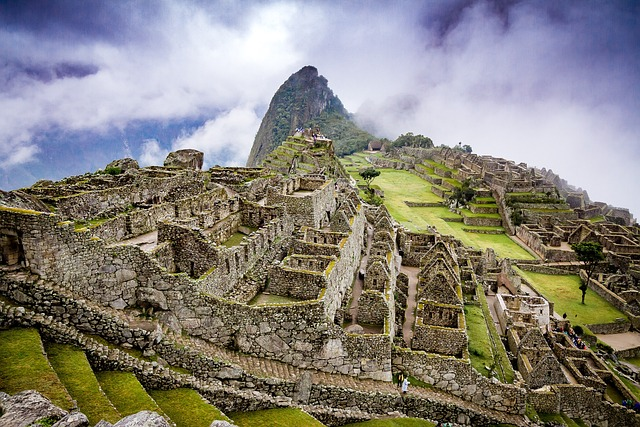
Winding through the heart of the Andes, the Inca Trail is a treasure trove of historical and cultural wonders. This major route of the Inca Empire reflects the civilization’s strategic, cultural, and spiritual endeavors. You’ll encounter sacred spots aligned with celestial events, bearing testament to the Inca’s deep connection with the cosmos. The trail also showcases the Inca’s engineering prowess, with marvels like the Inti Punku (Sun Gate) and complex retaining walls.
Abandoned after the Spanish conquest, this historical route was resurrected following its discovery by Hiram Bingham in 1911. It’s not just a trail, but a journey back in time, with only 500 people allowed on each day to preserve its exclusivity. It’s about exploring more than just Machu Picchu; it’s about experiencing the spirit of the Inca civilization.
Best Time for Inca Trail
The timing of your trek can greatly impact your experience. Ideally, traverse the Inca Trail during the dry season, which usually runs from April to the end of September. This period offers optimal conditions for trekking, with May through October being particularly favorable. October stands out as it offers exceptionally clear skies and a more serene experience on the trail, avoiding the peak visitor numbers seen in other months of the dry season.
Choosing to trek in October can provide a tranquil encounter with the Inca Trail’s picturesque landscapes and historical ruins, making the journey even more rewarding. Remember, it’s not just about the destination, it’s about the journey, and choosing the best time for your trek makes the journey all the more unforgettable.
Preparing for the Inca Trail
Preparation for the Inca Trail includes:
- Conditioning for challenging sections, such as the uphill walk to Dead Woman’s Pass
- Packing light with a balance of warm and cold weather clothing
- Sun and bug protection
- Personal medication
- Essential documents including permits, Machu Picchu tickets, and a passport
These preparations are crucial for a successful trek.
Adapting to high altitudes is equally important. Here are some tips to help you prepare for the Inca Trail:
- Start a fitness regime including daily stretching and exercises
- Do weekly hikes at home before embarking on the Inca Trail
- Remember that the Inca Trail isn’t about racing to the end, but rather about savoring the journey at your own speed
With proper preparation, you can make the most of this unique adventure and turn it into an unforgettable experience.
Beyond Machu Picchu
Though Machu Picchu is the ultimate destination, the Inca Trail promises more than just reaching this iconic landmark. As you traverse the trail, you’ll have the opportunity to explore a range of significant historical sites. These include various culturally and historically important structures, such as agricultural terraces built by the Incas.
One of the notable historical sites you’ll encounter is Wiñay Wayna, featuring well-preserved Incan architecture including ritualistic fountains. Exploring these sites offers a deeper understanding of the Incan civilization, enhancing your trekking experience beyond the majesty of Machu Picchu.
Ultimately, each step on this trail takes you further into the past, drawing you closer to the rich history of the Incan civilization.
The Salkantay Trek: A Journey Through Changing Landscapes
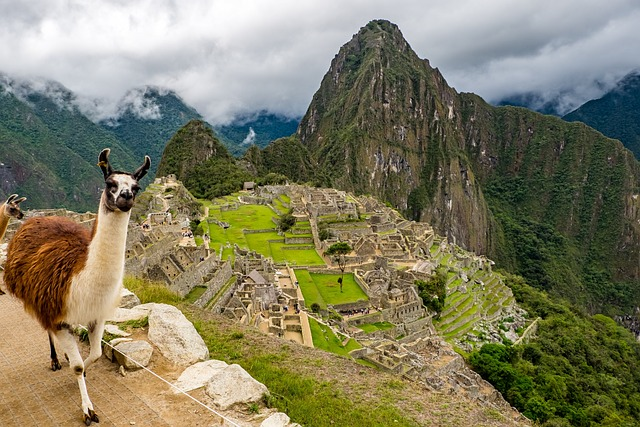
Looking for an alternative to the Inca Trail? The Salkantay Trek offers a captivating journey through a myriad of Peruvian landscapes, from snowy peaks to the lush Amazon jungle. This trek is renowned for its striking contrast in climates, from cold temperatures at the start to warmer conditions as the path descends. It’s an exceptional choice for those seeking a trek centered around extraordinary natural beauty and diverse climatic zones, contrasting the Inca Trail’s historical focus.
The challenge of the Salkantay Trek includes:
- Moderate trek difficulty
- Approximately 10 hours of trekking on the second day, with a demanding ascent to the Salkantay pass
- Cultural immersion and personal accomplishment
- A challenging but incredible experience
- Each challenge on this trail turns into an opportunity for an unforgettable adventure.
Acclimatization on Salkantay
Proper acclimatization plays a vital role when preparing for the Salkantay Trek. Here are some tips to help you acclimate:
- Start a fitness regime including daily stretching and exercises.
- Do weekly hikes at home before embarking on the Salkantay Trek to better prepare your body for the high altitudes.
- Spend a couple of days at a location with lower elevation than the Salkantay Trek’s path to allow your body to slowly adjust to higher altitudes.
Staying hydrated is essential for overcoming the altitude challenges on the Salkantay Trail and helps prevent altitude sickness. A traditional Andean remedy, coca tea, can help alleviate mild symptoms of altitude sickness and boost energy levels during the ascent. Remember, every trek is a test of endurance and perseverance, and with proper acclimatization, you can conquer any high-altitude challenge. To stay hydrated, it’s important to drink plenty.
What to Pack for Salkantay
Packing for the Salkantay Trek requires considering the abrupt temperature changes along the trail. Warm clothing, including insulated jackets, thermal layers, gloves, and hats, is recommended for the cold mountainous parts of the trek. Breathable and moisture-wicking fabrics are important for comfort and to handle both the heat of the valleys and the cooler temperatures at higher elevations.
Additional gear like UV-protection sunglasses, sunscreen, and a good quality backpack are essential to cope with the varying conditions. After all, being prepared for all conditions is the first step towards a successful trek.
Rainbow Mountain: A Colorful Challenge
Rainbow Mountain, also known as Vinicunca or Montaña de Siete Colores, is a unique hiking destination located near Pitumarca in the Cusco region of Peru. The geological formations of Rainbow Mountain began millions of years ago from the convergence of tectonic plates and volcanic activities, leading to the stacking of various mineral-rich layers. The result is a breathtaking canvas of vibrant colors that has to be seen to be believed. Some of the colors you can expect to see include:
- Red
- Pink
- Green
- Yellow
- Blue
Make sure to bring your camera to capture the stunning beauty of Rainbow Mountain.
Reaching an elevation of approximately 5,200 meters (17,060 feet), the trek to Rainbow Mountain poses a risk of altitude sickness. It’s a challenge, but with safety measures like:
- having emergency contacts
- a medical kit
- travel insurance
- suitable clothing and gear for changing weather conditions
It’s a challenge well worth taking. After all, every step on this hike is a step towards a spectacle of nature’s own making during the trek.
Alternative Treks in the Andes: Off the Beaten Path
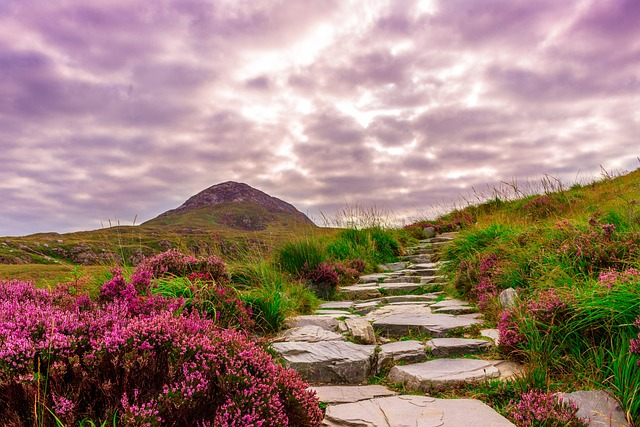
While the Inca and Salkantay trails may be the most well-known, there are many other treks in the Andes that offer unique experiences. Some of these include:
- The Choquequirao Trek, which presents one of the most arduous yet rewarding experiences for intrepid hikers. It is characterized by challenging trails that lead to hidden ruins and diverse ecosystems ranging from high elevation tundras to subtropical cloud forests.
- The Ausangate Trek, which takes you through the stunning landscapes of the Vilcanota mountain range, including the famous Rainbow Mountain.
- The Lares Trek, which offers a glimpse into traditional Andean culture and takes you through remote villages and beautiful mountain scenery.
These best treks provide a different perspective of the Andes and are perfect for those looking for the best trek and a unique and adventurous experience along various trekking routes.
For a peaceful and less-traveled route, the Vilcabamba Trek offers a serene hiking experience away from the crowded tourist paths, taking adventurers through pristine Andean environments on the way to Machu Picchu. Whether you’re seeking cultural immersion, natural beauty, or historical exploration, there’s a trek in the Andes that’s perfect for you.
Lares Trek: Immersion in Local Culture
The Lares Trek offers a unique cultural experience that allows travelers to:
- Connect with the traditions of the Quechua people
- Appreciate the region’s cultural heritage
- Interact directly with the Quechua community of Cancha Cancha, which is distinguished for its masterful weavers who produce traditional textiles.
You’ll also have the unique opportunity to observe the skilled process of textile weaving, a key aspect of local culture. By purchasing these handmade items, you can provide support to the local community and help preserve cultural traditions. After all, every step on the Lares Trek is a step towards understanding the rich culture of the Quechua people.
Choquequirao: The Cradle of Gold
The Choquequirao Trek is not for the faint-hearted. This 8-day itinerary takes you through the scenic Rio Blanco Valley and sacred mountain passes, culminating in a visit to the enigmatic Choquequirao archaeological site. It’s a challenging trek, sure, but it’s also a journey of discovery and exploration.
As you navigate the challenging trails, you’ll encounter diverse ecosystems and hidden ruins that offer a glimpse into the ancient civilizations of the region. It’s a trek that demands more from you, but also rewards you with a deeper understanding of Peru’s rich history and natural beauty. After all, every step on the Choquequirao Trek is a step towards uncovering the secrets of the Cradle of Gold.
Conquering High Altitudes: Tips to Prevent Altitude Sickness
Trekking at high altitudes, as in Peru, necessitates meticulous preparation to avoid altitude sickness. This involves spending time acclimatizing before ascending, eating lightly, and avoiding alcohol and strenuous activity upon arrival at high altitudes. Symptoms of altitude sickness can include relentless headaches, sleepiness, disorientation, dry cough, and breathlessness, which require immediate attention and prevention strategies.
To safeguard your health, it’s crucial to consult a doctor for a personalized prevention plan before trekking, especially for those with previous altitude-related issues. Acclimatization for high-altitude treks like Rainbow Mountain involves spending at least two days at similar altitudes, for example in Cusco, to allow the body to adapt. Equipped with the right training, balanced diet, and sufficient hydration, you can surmount any high-altitude challenge.
Planning Your Peruvian Hiking Adventure: Services and Logistics
Organizing your Peruvian hiking adventure entails selecting reliable tour services and comprehending the logistics. Tour operators adhering to high safety and environmental standards often provide staff training in sustainable practices and have systems for client feedback. They should also offer flexible itineraries, exemplified by the Lares Trek, which has variable routes that can range from four to seven days.
But planning your adventure doesn’t stop there. You’ll also need to secure the necessary permits and tickets for your chosen trek. Whether you’re embarking on the Inca Trail, Salkantay Trek, or any of the alternative treks in the Andes, careful planning is the key to a successful and memorable adventure.
Choosing the Right Tour Service
Choosing a reliable tour agency is key to a successful and enjoyable trekking experience in Peru. Reputable companies offering Salkantay Treks to Machu Picchu prioritize the safety of their travelers. It is also essential to select tour agencies that adhere to environmental standards to preserve the trails and natural beauty of Peru.
Remember, choosing the right tour service is not just about the price or itinerary. It’s about ensuring safety, respecting the environment, and creating a memorable trekking experience. Ultimately, the right tour service opens up the wonders of Peruvian hiking to you.
Essential Tickets and Permits
Certain treks in Peru require permits and tickets. For instance, while the Inca Trail permits are limited, Salkantay trek permits to Machu Picchu are not, but it’s recommended to secure them in advance through a tour company. And don’t forget to book your Machu Picchu ticket in advance.
Climbing on the Salkantay Trek requires obtaining permits since the trek passes through protected areas, and hikers need to carry their original passport for checkpoints. If you’re planning to climb Waynapicchu Mountain after your Salkantay Trek, remember to book your tickets in advance due to the limitation on the number of daily visitors allowed. Keep in mind, careful planning paves the way for a smooth trekking experience.
Unforgettable Experiences: What to Expect When Hiking in Peru
Peru’s hiking trails offer experiences you’ll remember for a lifetime. From the breathtaking scenery of lush forests and majestic ruins to the cultural immersion in the Quechua communities, every moment is a memory in the making. As you traverse the trails, you’ll encounter educational opportunities as you discover various ancient ruins, delving into the history of Incan civilization.
These experiences are enhanced by local guides and experts, who share their comprehensive knowledge about the Inca’s history, culture, and the significance of the ruins you explore. Whether you’re an avid historian, a nature enthusiast, or a thrill-seeker, hiking in Peru offers unforgettable experiences that cater to every passion.
Capturing the Beauty: Photography Tips
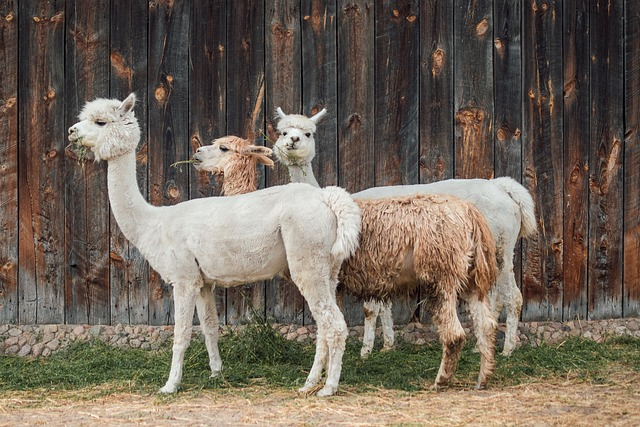
The beauty of Peru’s landscapes offers endless opportunities for stunning photography. Here are some tips to help you capture the best shots:
- Use the rule of thirds in your composition to create more aesthetically pleasing and balanced images.
- Use a wide-angle lens to capture the breadth of Peru’s expansive landscapes.
- Use a macro lens to photograph intricate details like stone carvings and flora.
By following these tips, you can capture the beauty of Peru in your photographs.
Experimenting with angles and viewpoints can result in unique photos. Here are some tips to consider:
- Climbing to high vantage points or getting up close with llamas at Machu Picchu offers fresh perspectives.
- Including people in your photos can lend scale and depth to shots.
- Remember to pay respect to local customs and traditions, especially when taking pictures of people or religious sites. Always ask for permission if necessary.
Ultimately, the art of photography lies in encapsulating the essence of your experience.
Engaging with Locals: Cultural Etiquette
Engaging with locals can greatly enrich your trekking experience. Learning basic greetings in Quechua shows respect for local culture and enhances interactions with indigenous people. Being able to communicate even simple phrases in Spanish or Quechua can help bridge the cultural gap and create a more authentic connection with the local people.
When it comes to photography, always ask for permission before taking photos of people, as it respects their privacy and acknowledges their personal rights. Be mindful of local customs and traditions so as not to unintentionally offend community members. Also, purchasing handmade crafts directly from artisans not only supports the local economy but also aids in preserving cultural traditions. After all, respectful engagement with locals is a cornerstone of responsible tourism.
Summary
From the historical Inca Trail to the natural beauty of the Salkantay Trek, from the vibrant Rainbow Mountain to the lesser-known treks in the Andes, Peru offers a myriad of hiking adventures. Each trek presents its unique challenges and rewards, but with proper preparation, acclimatization, and respect for local culture and environment, you can conquer any trail. So gear up, plan your journey, and embark on your Peruvian hiking adventure. After all, every step you take in these ancient trails is a step towards an unforgettable experience.
Frequently Asked Questions
Is Peru known for hiking?
Yes, Peru is known for offering some of the most epic and amazing hiking vacations in the world, including classic Inca Trail lodge-based trekking and high-altitude Cordillera Huayhuash adventures. Enjoy your journey!
Can a beginner hike Machu Picchu?
Yes, a beginner can hike Machu Picchu, as the hike is designed for people with varying levels of experience, but being in good shape is essential.
Is it safe to trek in Peru?
Trekking in Peru is generally safe, with a low threat of crime along the Inca Trail. However, it’s important to take normal travel precautions such as avoiding carrying large amounts of cash and securing your passport and money (date removed).
Is the Machu Picchu hike difficulty?
The Classic Inca Trail hike to Machu Picchu is considered to be of moderate difficulty, with steep and relentless uphill and downhill sections over four days. Therefore, it can be quite tough.
What is the best time to hike the Inca Trail?
The best time to hike the Inca Trail is during the dry season, which runs from April to the end of September, with October also being a good option for clearer skies and fewer tourists.